I Think I Will Cause Problems on Purpose: A Strategic Approach to Chaos
In a world where predictability often leads to stagnation, the phrase I Think I Will Cause Problems on Purpose might seem like an odd choice for a strategy. Yet, when approached with intention, it can become a powerful tool for innovation, creativity, and growth. This concept isn’t about recklessness—it’s about embracing calculated disruption to challenge the status quo and unlock new possibilities.
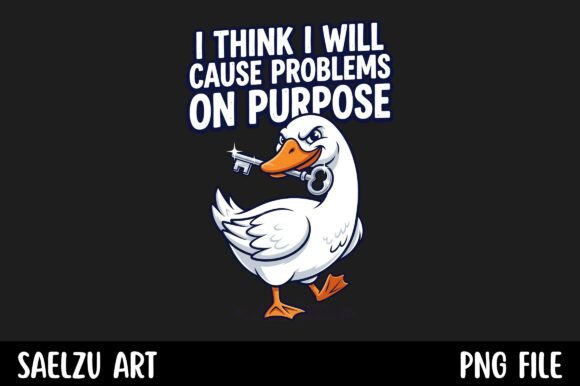
The design featuring a mischievous white goose holding a stolen key perfectly captures this spirit. It’s not just a humorous image; it’s a visual representation of thinking outside the box and questioning norms. For those who appreciate the value of lighthearted chaos, this graphic serves as a reminder that sometimes, the best ideas come from breaking the rules.
Understanding the Strategic Value of Intentional Disruption
At its core, I Think I Will Cause Problems on Purpose is about challenging assumptions and exploring alternative paths. In business, marketing, and personal development, this mindset can lead to breakthroughs that wouldn’t be possible through conventional methods. By introducing controlled elements of unpredictability, individuals and organizations can stimulate fresh perspectives and foster innovation.
Consider the example of a startup looking to disrupt a saturated market. Instead of following the same strategies as competitors, they might choose to introduce a bold, unconventional approach. This could involve redefining customer expectations, experimenting with new delivery models, or leveraging unexpected partnerships. The result? A unique position in the market that sets them apart.
This approach isn’t limited to large-scale ventures. Even small businesses and individual creators can benefit from strategic disruption. A content creator, for instance, might experiment with different formats, tones, or platforms to engage their audience in new ways. The key is to maintain a clear purpose and align each action with broader goals.
When to Use Intentional Disruption
Intentional disruption works best when it’s part of a larger plan. It shouldn’t be used as a random act of rebellion but as a deliberate strategy to achieve specific outcomes. Here are some scenarios where I Think I Will Cause Problems on Purpose can be particularly effective:
- Rebranding or Positioning: When repositioning a brand or product, introducing a new perspective can help differentiate it from competitors.
- Problem-Solving: Sometimes, the most effective solutions come from questioning existing frameworks and exploring alternative approaches.
- Team Innovation: Encouraging teams to think differently can lead to creative solutions and a more dynamic work environment.
- Customer Engagement: Unique experiences and unexpected interactions can create memorable moments that drive loyalty and word-of-mouth marketing.
Each of these situations requires careful consideration. The goal isn’t to cause chaos for the sake of it, but to create meaningful change that aligns with long-term objectives.
Planning and Execution: Key Considerations
Before implementing a strategy based on I Think I Will Cause Problems on Purpose, it’s essential to define clear goals and understand the potential impact. Here are some practical steps to guide the process:
- Define Objectives: What do you hope to achieve? Is it increased visibility, improved engagement, or a shift in perception?
- Assess Risks: What are the potential downsides? How can they be mitigated?
- Test and Iterate: Start with small experiments to gauge reactions and refine your approach.
- Communicate Clearly: Ensure that your message is aligned with your brand and values, even when taking unconventional steps.
By following these steps, you can turn disruption into a valuable asset rather than a source of confusion.
Examples of Strategic Disruption in Action
Many successful brands and individuals have used intentional disruption to their advantage. For example:
- Apple: Known for its bold design choices and user experience innovations, Apple has consistently challenged industry norms to create products that redefine what’s possible.
- Netflix: By shifting from DVD rentals to streaming, Netflix disrupted the traditional entertainment model and created a new standard for content consumption.
- Independent Creators: Artists, writers, and influencers often use unconventional methods to stand out in crowded markets, whether through unique storytelling, interactive content, or unexpected collaborations.
These examples show that disruption, when done thoughtfully, can lead to significant success. The key is to maintain a balance between creativity and strategy.
Risks of Unintentional Disruption
While intentional disruption can be beneficial, it’s important to recognize the risks of using I Think I Will Cause Problems on Purpose without clear direction. Unplanned chaos can lead to:
- Confusion: Without a clear purpose, actions may be misinterpreted or seen as reckless.
- Loss of Trust: Customers and stakeholders may lose confidence if changes appear inconsistent or disconnected from core values.
- Resource Drain: Without a focused approach, efforts may be wasted on ineffective or irrelevant initiatives.
To avoid these pitfalls, it’s crucial to align all actions with a well-defined strategy and maintain open communication with all stakeholders.
Strategic Observations and Decision-Making Guidance
When considering the use of I Think I Will Cause Problems on Purpose, ask yourself the following questions:
- What problem am I trying to solve? Is there a specific issue that needs addressing, or is this an attempt to create change for the sake of it?
- Who will be affected? How will my actions impact customers, team members, or partners?
- What are the alternatives? Are there other, less disruptive ways to achieve the same outcome?
- How will I measure success? What metrics will indicate whether this approach is effective?
These questions help ensure that your actions are grounded in logic and purpose, rather than impulsivity.
Long-Term Value of Intentional Disruption
Ultimately, the true value of I Think I Will Cause Problems on Purpose lies in its ability to drive long-term results. By fostering a culture of innovation and adaptability, individuals and organizations can stay ahead of trends and respond effectively to changing environments.
Whether you’re launching a new product, refining your marketing strategy, or seeking to improve your personal productivity, embracing calculated disruption can lead to unexpected opportunities. It’s not about creating chaos—it’s about creating space for growth, learning, and transformation.
With the right approach, I Think I Will Cause Problems on Purpose can become more than just a catchy phrase. It can be a mindset that empowers you to make better decisions, achieve better results, and leave a lasting impact.